All Categories
Featured
How Modern Cleaning Chemistry Protects Both Pets and Fabrics
Quick Tips for Blotting Discolorations on Delicate Uphols...


Why Allergy Sensitive Households Is Finest for High-Traffic Residences
Table of Contents
- – The Advancement of Pet-Friendly Floor Maintena...
- – Bio-Enzymatic Cleaners and Molecular Smell Eli...
- – Advances in Upholstery Look After Pet-Centric ...
- – The Role of HEPA Filtering and Soil Extraction
- – Selecting the Right Cleansing Solution for Par...
- – Resolving Animal Allergies and Indoor Air Quality
- – Requirement Safety Certifications to Search Fo...
- – Upkeep Tips for Tennessee Animal Owners
- – The Long-Term Worth of Specialized Care
The Advancement of Pet-Friendly Floor Maintenance in 2026
Animal ownership in 2026 has reached record levels throughout the United States, especially in regions like Tennessee where big breeds and active homes prevail. As more families share their living spaces with dogs, cats, and a lot more exotic small animals, the standard for property tidiness has moved. No longer is it enough for a carpet to look clean; it should be biologically safe for residents who invest their lives inches far from the flooring. The cleaning market has reacted by moving far from heavy solvents toward advanced, bio-based solutions that provide high performance without the lingering chemical footprint that was typical in previous decades.Modern families now prioritize indoor air quality and surface safety. Traditional cleaning agents often left residues that could aggravate a pet's paws or cause respiratory distress when aerosolized. In 2026, the focus is on pH-balanced, hypoallergenic representatives that effectively break down raw material. This modification is especially pertinent for those looking for Allergy Sensitive Households in environments where animals are regularly moving from the outdoors into carpeted living locations. Whether handling the red clay mud of West Tennessee or the seasonal dander of shedding coats, the method utilized today is vastly different from the aggressive chemical washes of the past.
Bio-Enzymatic Cleaners and Molecular Smell Elimination
One of the most considerable developments in 2026 is the widespread adoption of bio-enzymatic cleaning representatives. These are not merely soaps but living colonies of helpful germs that produce enzymes to absorb natural waste. When a pet has an accident on the carpet, the primary challenge is the uric acid crystals that bond to the fibers. Traditional cleaners frequently mask these smells with heavy perfumes, however as the humidity rises in places like the local community, the crystals reactivate and the smell returns. Bio-enzymatic services work by breaking these crystals down into water and carbon dioxide. This process is totally non-toxic for animals and human beings. Because these enzymes continue to work as long as the surface area remains wet, they provide a much deeper level of sanitation than quick-drying chemical foams. Many house owners are turning to HydroClean Carpet & Floor Care Indoor Air Cleaning to maintain high requirements of tidiness without presenting volatile organic substances into their bedrooms and play areas.
Advances in Upholstery Look After Pet-Centric Homes
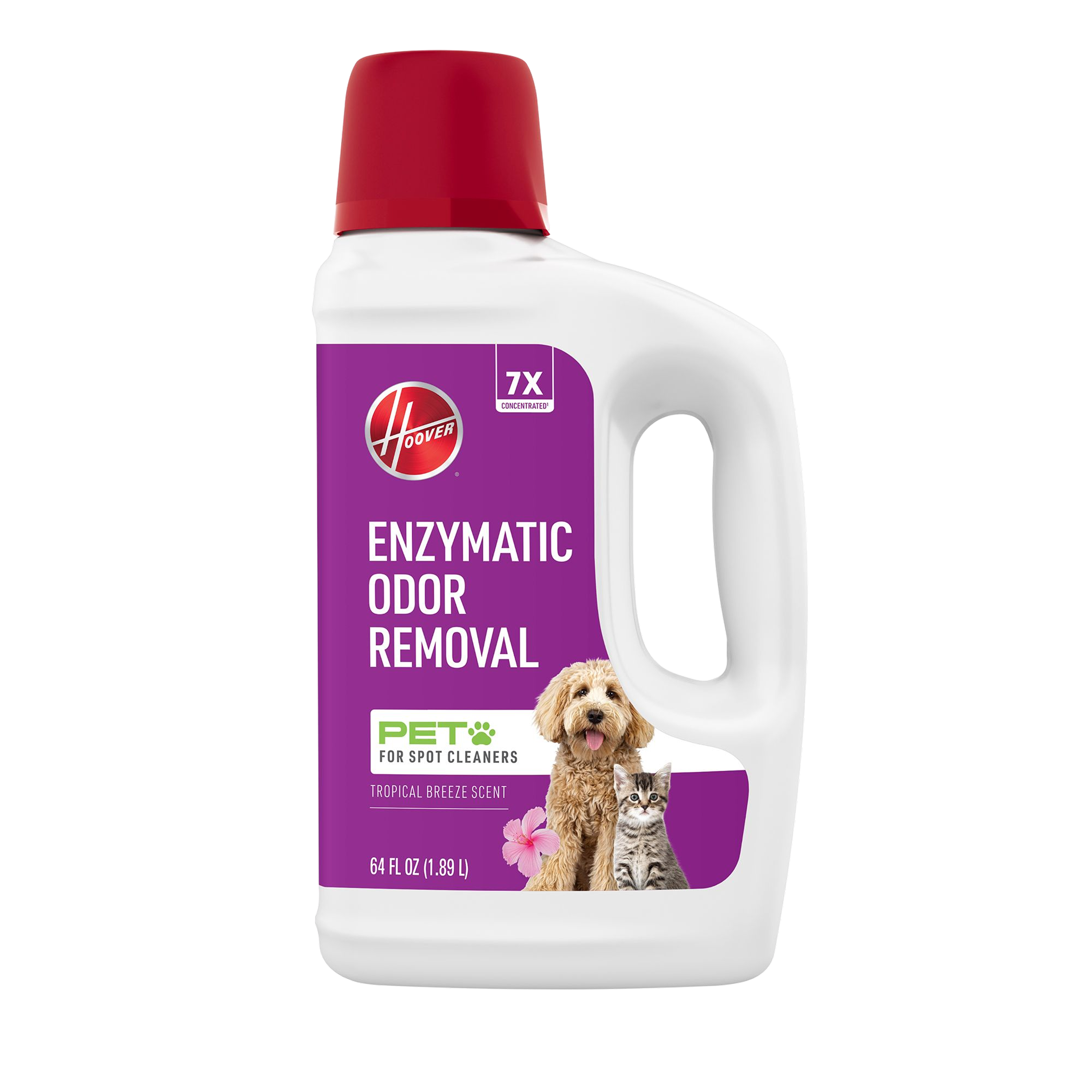
Upholstery presents a special obstacle since the cushioning beneath the material imitates a sponge for allergens and wetness. In 2026, numerous property furniture pieces feature performance materials developed to ward off stains, but these still require periodic deep cleaning to eliminate ingrained dander and oils. The approaches utilized for Allergy Sensitive Households now include low-moisture extraction methods that avoid the development of mold and mildew within the internal cushions.For homes in nearby towns, the seasonal humidity can make drying times a significant concern. High-velocity air movers and dehumidification tools are now standard parts of a professional cleansing setup, guaranteeing that couches and chairs are dry within a few hours instead of days. This fast drying is essential for animal security, as it prevents the moist environment where allergen and fungis prosper. House owners often search for HydroClean Carpet & Floor Care Pure to ensure their living spaces stay devoid of these concealed irritants.
The Role of HEPA Filtering and Soil Extraction
The physical elimination of dry soil is the first and most crucial action in any 2026 cleansing procedure. Modern vacuums used by experts now surpass the HEPA standards of the early 2020s, capturing 99.99% of particles to 0.1 microns. This consists of family pet dander, pollen, and tiny particles that family pets bring in from the backyard. In locations like rural Tennessee neighborhoods, where pets may invest significant time outdoors, the volume of dry soil can be substantial.Removing this grit before it becomes wet is essential. When water is included to a carpet that hasn't been thoroughly vacuumed, the dirt turns into a muddy slurry that sinks much deeper into the support. This is why the pre-vacuuming phase is more extensive in 2026 than it utilized to be. By the time the liquid cleaning solution is used, the objective is to target just the oily binders and spots, instead of the bulk of the dirt. This effectiveness decreases the amount of water needed, which lines up with modern water conservation requirements seen throughout the United States.
Selecting the Right Cleansing Solution for Particular Fibers
Not all carpets are developed equal, and the cleaning chemistry should match the fiber type to avoid damage. In 2026, we see a mix of standard wool, nylon, and more recent recycled PET (polyethylene terephthalate) fibers. Wool is a natural protein fiber that can be easily harmed by high-pH cleaners, which prevail in many generic "durable" items. For a home with animals, using an option that is too alkaline can remove the natural lanolin from wool or trigger the dyes to bleed.Synthetic fibers like nylon are more durable but can still suffer from "re-soiling" if a sticky residue is left. Modern cleaners use encapsulating polymers that dry into a fragile crystal. When the carpet is vacuumed after an expert treatment, these crystals-- and the dirt they have actually caught-- are merely drawn away. This innovation has actually mainly replaced the old "steam cleansing" methods that often left carpets feeling crispy or sticky. Increased need for HydroClean Carpet & Floor Care for Tennessee Homes has actually caused much better accessibility of these non-toxic, residue-free methods in the residential market.
Resolving Animal Allergies and Indoor Air Quality
For lots of locals in the surrounding region, the primary inspiration for regular cleaning is allergic reaction management. Family pet dander is a "sticky" irritant that sticks to walls, carpets, and fabrics. In 2026, cleaning up protocols typically include an anti-allergen treatment that denatures the proteins found in animal saliva and dander. These treatments are usually plant-based and derived from sustainable sources like corn or coconuts.Improving indoor air quality involves more than just cleaning the floor. It needs a holistic technique to the textile surface areas in a home. Because animals typically hang out on rugs, beds, and sofas, these locations function as filters for the air in the house. When these "filters" become complete, every step launches a cloud of particles back into the breathing zone. Routine upkeep using pet-safe services makes sure that the home's air stays fresh, which is especially crucial during the winter season when windows are closed and heating and cooling systems are recirculating air.
Requirement Safety Certifications to Search For in 2026
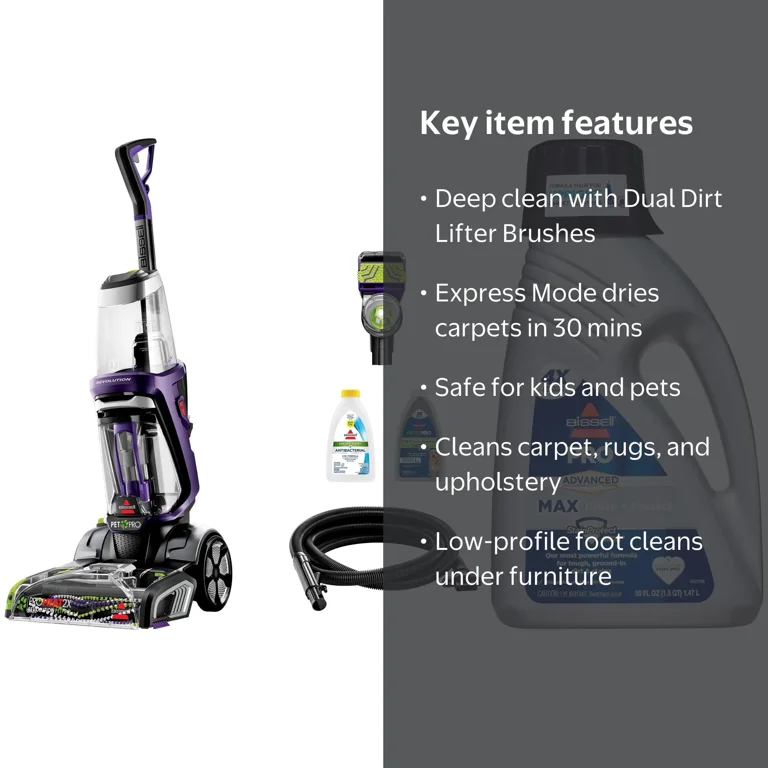
Navigating the world of cleansing items can be complicated, however several US-based accreditations help recognize really pet-safe choices. The EPA "Safer Option" label remains a criteria, indicating that every ingredient in a product has actually been vetted for human and ecological health. In 2026, we also try to find the "CRI Seal of Approval" from the Carpet and Rug Institute, which checks the efficiency of cleaners in eliminating soil without harming the carpet structure.Another crucial standard is the "Animal-Safe Certified" mark, which has gotten traction among professional provider. This certification makes sure that the items are not only non-toxic if ingested in little amounts (like a pet licking its paws after a cleaning) but likewise free of strong fragrances that can overwhelm an animal's delicate sense of odor. Avoiding citrus oils and specific tea tree extracts is essential, as these can be hazardous to felines even in low concentrations.
Upkeep Tips for Tennessee Animal Owners
Preserving a clean home in between expert check outs needs a proactive method. In 2026, using high-quality walk-off mats at every entryway is advised to capture mud and wetness before it reaches the main carpeted locations. For those living in Alamo, where seasonal rains can develop untidy conditions, keeping a microfiber towel and a spray bottle of plain water by the door can prevent lots of discolorations from ever forming.Spot cleansing ought to be finished with a "blot, do not rub" strategy. Rubbing a stain presses the liquid much deeper into the fibers and can fray the yarn, developing a permanent fuzzy spot. Using an easy mix of white vinegar and water is typically sufficient for fresh areas, but for older or more stubborn protein-based stains, a dedicated bio-enzymatic spotter is the best tool for a family pet owner's cabinet.
The Long-Term Worth of Specialized Care
Investing in pet-safe cleansing is not practically aesthetics; it has to do with safeguarding the longevity of the home's interior. Carpets and upholstery are a few of the most expensive components of a home. In 2026, the expense of changing these items has increased due to supply chain shifts and the greater expense of premium materials. Routine upkeep utilizing safe, effective options avoids the accumulation of abrasive grit that imitates sandpaper on carpet fibers, ultimately wearing them down.By selecting methods that focus on the health of the whole family, including the animals, citizens can delight in a clean, comfortable environment. The developments in cleaning technology seen this year have made it possible to achieve professional-grade outcomes without the threats related to older, harsher approaches. As we continue through 2026, the integration of science and security stays the requirement for those who care about their homes and their animals.

Table of Contents
- – The Advancement of Pet-Friendly Floor Maintena...
- – Bio-Enzymatic Cleaners and Molecular Smell Eli...
- – Advances in Upholstery Look After Pet-Centric ...
- – The Role of HEPA Filtering and Soil Extraction
- – Selecting the Right Cleansing Solution for Par...
- – Resolving Animal Allergies and Indoor Air Quality
- – Requirement Safety Certifications to Search Fo...
- – Upkeep Tips for Tennessee Animal Owners
- – The Long-Term Worth of Specialized Care
Latest Posts
How Modern Cleaning Chemistry Protects Both Pets and Fabrics

Enhance Your Air Quality with Routine Maintenance

Quick Tips for Blotting Discolorations on Delicate Upholstery
Latest Posts
How Modern Cleaning Chemistry Protects Both Pets and Fabrics
Enhance Your Air Quality with Routine Maintenance
Quick Tips for Blotting Discolorations on Delicate Upholstery